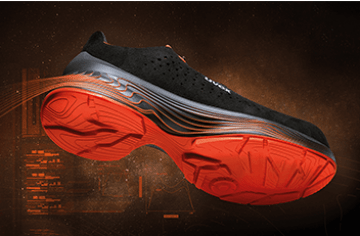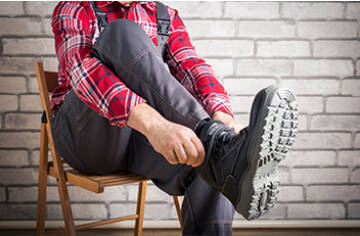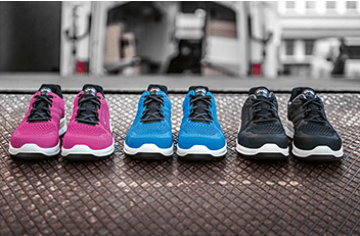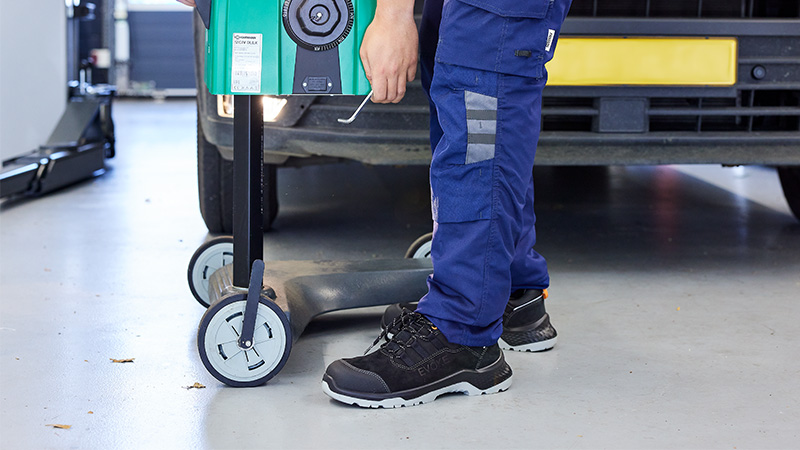
EMMA Safety - Evoke 2.0 metal-free safety shoe
Metal-free safety footwear is rapidly gaining in popularity across a wide range of industries. Not only because it is lightweight and comfortable, but primarily because it meets the demands of modern workplaces — including environments where detection gates, cold conditions, or electrical installations are factors to consider.
However, metal-free is not always the best choice. The right safety footwear depends on your risk assessment, the working environment, and the level of protection required.
If you are unsure whether to choose metal-free safety footwear or a model with a steel toe cap or steel midsole, you’ll find a clear and practical overview below.
What is metal-free safety footwear?
Metal-free safety footwear does not contain any metal components. The protective toe cap is made from composite, fibreglass, or nano-materials, and the penetration-resistant midsole is completely metal-free. Even small components, such as lace eyelets or fasteners, are replaced by lightweight, non-metal alternatives.
To be clear, metal-free footwear offers the same certified protection classes as steel-based models, provided it complies with European safety standards (such as S1P, S3 or ESD). The difference lies in material properties and performance, not in the level of safety.
Why are more and more professionals choosing metal-free safety footwear?
- Ideal for workplaces with detection gates
In logistics, distribution, security and aviation environments, it can be annoying when safety footwear constantly triggers security alarms. Metal-free safety footwear allows you to walk through without triggering the alarms.
- Comfort in cold environments
Metal conducts cold, whereas composite and fibreglass do not. For those working in cold storage facilities, outdoor environments or on sites with low temperatures, metal-free safety footwear stays warmer and offers noticeably better thermal comfort.
- Lightweight and flexible
One of the biggest advantages of metal-free models is their reduced weight. This makes them particularly suitable for long shifts involving extensive walking, kneeling or frequent changes in position. Less weight means less fatigue, and greater freedom of movement.
- No risk of electrical conduction
For electricians, installers and technical service professionals, avoiding metal components is often a logical choice. Metal-free footwear does not conduct electricity, making it the safe choice when working in environments involving electrical installations.
- A wide range of modern styles
The market for metal-free safety footwear has grown rapidly. From sporty trainer-style models to more traditional work boots, there is a choice of styles for all sectors and safety classes.
When is metal-free safety footwear less suitable?
- Heavy industry and extreme impact risks
In industry sectors where heavy objects may fall, roll or slide, steel-based footwear can sometimes be the more robust and safer choice. This is not because metal-free footwear is unsafe, but because steel may be more functional in these conditions.
- Slightly thicker toe cap construction
To provide the same impact resistance as steel, a composite toe cap may sometimes need to be slightly thicker to provide the same strength and resistance as steel. For most wearers, this difference is barely noticeable. However, in situations where toe space is limited, the difference may be noticeable.
- Potentially higher purchase price
Metal-free safety footwear uses advanced materials and production technologies, which can result in a slightly higher initial investment. However, this is often offset by the benefits in comfort, specific safety requirements, and overall convenience during daily use.
When should you choose metal-free safety footwear?
Choose metal-free safety footwear when:
- You regularly pass through detection gates
- You work in logistics, distribution, security or aviation environments
- You frequently work outdoors or in cold environments
- You value lightweight safety footwear
- You work near electrical installations
- You are looking for flexible composite safety footwear
Discover our full range of metal-free safety footwear
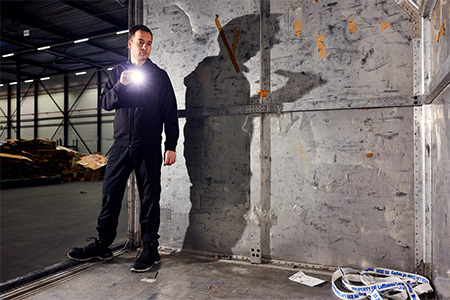
EMMA Safety - Everon 2.0 metal-free safety shoe
When is it better to choose steel safety footwear?
Safety footwear with a steel toe cap or steel midsole remains the preferred option when:
- You work in heavy industry or construction
- You are exposed to extreme impact risks or heavy materials
- You prefer the feel of a traditional steel toe cap
- You work in environments where maximum pressure resistance is essential
Discover all our steel safety shoes with steel toe caps
Tip! Don’t forget about socks and their ESD properties: When wearing ESD safety footwear, it is essential that your socks also properly dissipate any electrostatic charge. Socks with conductive fibres enhance the effectiveness of your footwear and help maintain optimal safety levels.