Latest update: 17.03.2026.
Work shoes are an essential part of personal protective equipment (PPE). They are designed to protect against impact, penetration, slipping, heat, and other workplace hazards. However, when work shoes do not fit properly—or are poorly matched to the wearer—they can quickly lead to discomfort, fatigue, and potential long-term foot problems.
Recent European research indicates that around 50% of workers experience foot discomfort due to unsuitable safety footwear. This makes prevention even more important than ever.
In this guide, you’ll discover how to avoid aching feet by choosing the appropriate work shoes with the correct fit, and how to care for them properly.
Why is correctly fitted footwear so important?
On average, workers will walk 10,000 steps each day in the workplace. Throughout the working day, their full body weight is carried by their feet, which are therefore under constant load. Poorly fitting work shoes can lead to:
- Painful feet after work
- Back, knee and hip issues
- Reduced stability, leading to a higher risk of sprains
- Fungal infections caused by an accumulation of moisture.
- Fatigue and reduced concentration
In addition, unsuitable footwear can significantly increase safety risks in the workplace:
- Slippery soles: higher risk of slipping
- Insufficient support: greater chance of twisting an ankle
- Poor ventilation: moisture, odour and skin issues
Comfort and safety go hand in hand
How do you choose the correct size and fit?
The correct size is essential for both comfort and safety. Note:
Measure your feet at the right time
Feet can swell by 5–8% during the day. Therefore, take your measurements in the evening or after a full working day.
Choose sufficient length
Make sure there is enough room for your toes. A simple guideline: when your foot is pushed fully forward, your index finger should fit comfortably behind your heel.
Check the width
Around 30% of men have wide feet. If you have wide feet, choose shoes with a wide or extra-wide fit to avoid pressure and discomfort.
Test with your work socks
Always try on shoes with the same socks you wear at work. Thick work socks can significantly affect the overall fit.
Try different models
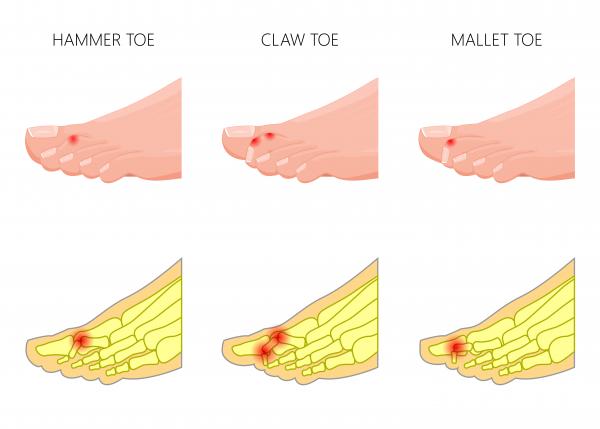
Each manufacturer uses different lasts (shoe shapes). A model that fits perfectly from one brand may feel tight or uncomfortable from a different brand. For workers with toe conditions such as hammer toes or claw toes, a wider last can provide additional space and relieve pressure.
Please note! There is no such thing as ‘one size fits all’ when it comes to work shoes.
Which comfort criteria are important?
For long-term comfort, pay attention to the following:
Breathable materials
Leather or technical textiles offer better ventilation than cheaper synthetic materials.
Effective shock absorption
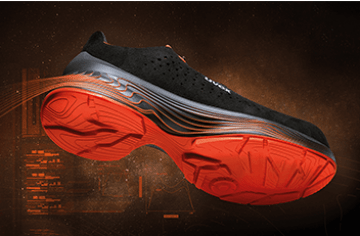
A flexible, well-cushioned sole reduces impact on the heel and forefoot—essential for long working days spent on your feet.
Firm heel cap and support
A sturdy heel keeps the foot stable, prevents inward rolling, and reduces the risk of sprains.
Flexible, slip-resistant sole
Essential for working on wet, slippery, or uneven surfaces.
Technologies for extra comfort
Some models provide:
- Visco-elastic insoles
- Waterproof or water-repellent materials
- Extra cushioning in the heel area
What is the right way to wear your safety shoes?
How to adjust your work shoes correctly?
Even the best work shoes can cause discomfort if they are not adjusted correctly.
- Ensure the instep is well supported without restricting blood flow
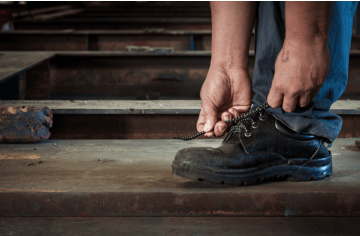
- Tie the laces evenly - ladder lacing is more comfortable than cross lacing
- Check that your foot does not slide inside the shoe
- Adjust lace tension to suit your activity:
- Tighter for active tasks involving lots of walking
- Looser for more static or stationary work
Proper adjustments only take one minute, and help maximise both comfort and safety throughout your working day.
Which insoles help combat foot pain?
Insoles can make a significant difference to comfort—provided they are certified for the specific work shoe model.
Available options:
- Visco elastic soles: Ideal for sensitive feet
- Insoles with reinforced arch support: For people with fallen arches or conditions such as plantar fasciitis
- Gel heel soles: Extra cushioning when working on hard surfaces
Important: Never use personal or non-certified orthotics in safety shoes. They may adversely affect the shoes' antistatic properties, and could therefore make the footwear non-compliant with EN ISO 20345:2022 safety standards.
Custom-made insoles from Vandeputte
Would you like more information about custom-made insoles? Feel free to contact us. We’ll be happy to help you.
Are arch supports allowed in safety shoes?
The importance of the correct work socks
Work socks are an often underestimated factor in overall foot comfort. They:
- Keep feet dry (synthetic fibres often perform better than cotton)
- Reduce friction, thanks to reinforced areas
- Provide thermal protection
- Offer a snug, elasticated fit for better support
Change your socks daily, and keep a spare pair available.
How do you care for work shoes for maximum comfort?
Proper care extends not only the lifespan of your work shoes, also their comfort.
- Clean regularly with a soft brush and lukewarm water
- Use a water-repellent spray for leather shoes
- Let the shoes dry naturally (avoid placing them on a heater)
- Fill them with newspaper to absorb moisture
- Alternate between two pairs of shoes every day.
11 maintenance tips for your work shoes
How do working conditions affect comfort?
Your working environment plays a key role in determining the features required for your work shoes.
Humid conditions
Choose water-repellent or waterproof models → to prevent friction, blisters, and fungal infections.
Cold conditions
Select shoes with insulating linings (such as Thinsulate)
High temperatures
Look for breathable materials, and change socks more frequently.
Uneven terrain
Select higher-cut models with firm ankle support and a coarse tread pattern
Waterproof work shoes (WR/WRA)
When should you replace your work shoes?
Look out for the following warning signs:
- Worn or smooth soles (tread depth below 1.6 mm)
- Cracks or deformation in the upper material
- Parts becoming loose, such as the sole, heel, or toe cap
- New or increasing pain that wasn’t previously present.
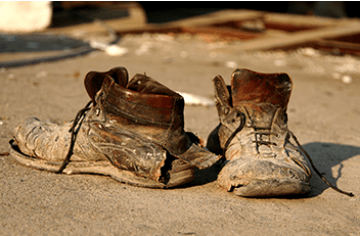
Don't wait until it's too late. Worn-out shoes are not only uncomfortable—they also compromise your safety.
Conclusion
Painful feet in work shoes are not an inevitable part of the job. With the correct size, proper fit, certified insoles, appropriate adjustments and regular care, most foot discomfort can be prevented.
Investing in high-quality work shoes means investing in your safety, daily comfort, and long-term wellbeing at work.